Independent Informational Website

VisitQiddiyaNow.com

Exploring the history, geography, culture, and natural landscapes of central Arabia's Qiddiya region.

Explore the Region Get Involved

VisitQiddiyaNow.com is a privately owned and independently operated informational website dedicated to exploring the history, geography, culture, tourism opportunities, and regional significance of the wider Qiddiya area and the surrounding landscapes of central Arabia.

This website has been created for educational, historical, geographical, cultural, editorial, tourism-discussion, and public-interest purposes. It aims to provide independent information about the region's natural environment, heritage, historical context, visitor experiences, and surrounding attractions.

Get Involved

We welcome collaboration, Joint venture, partnership.
factual submissions, and educational writing aligned with our values.

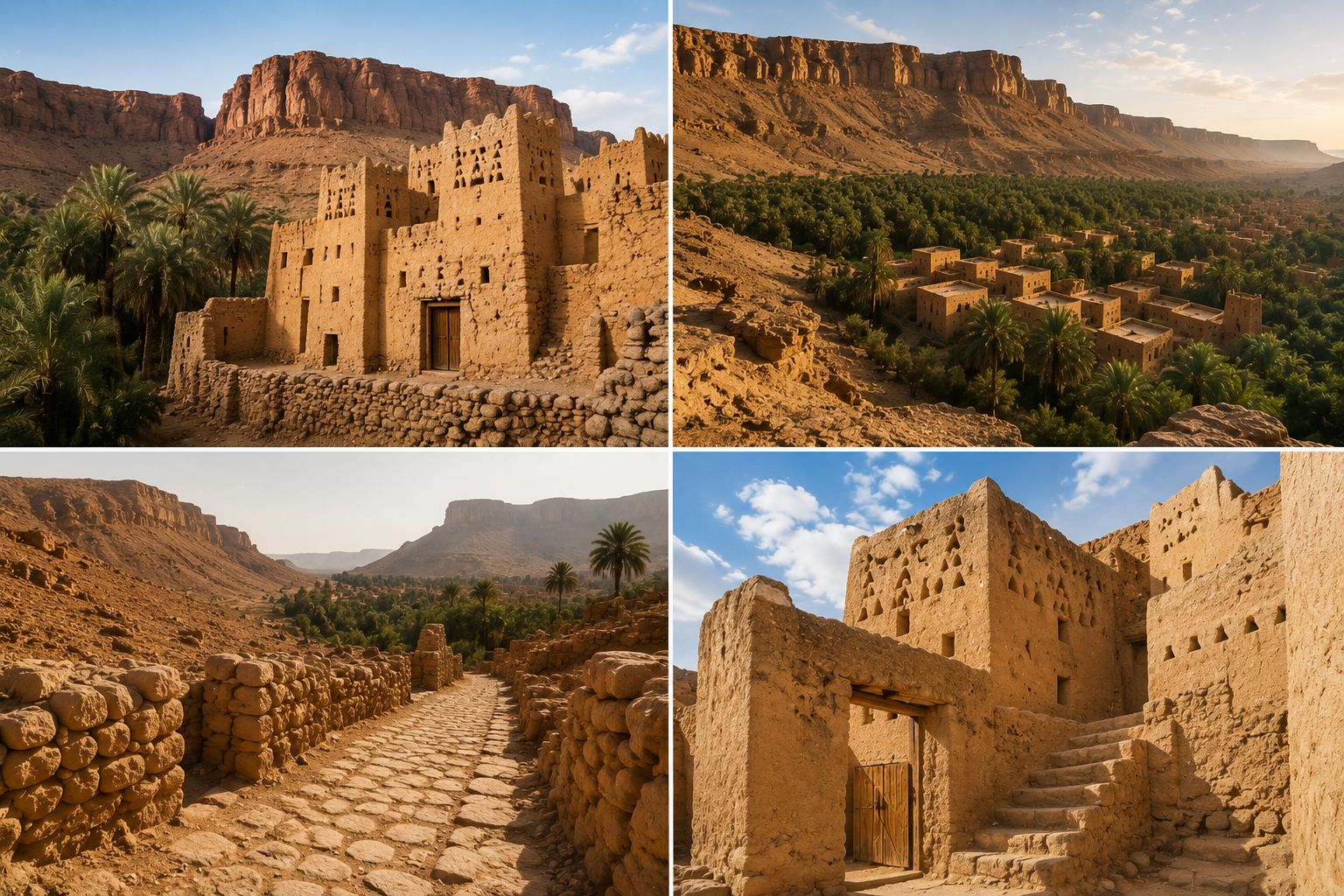
Qiddiya architecture and landscape

Introduction

Welcome to VisitQiddiyaNow.com.

This website has been created as an independent guide for travellers, researchers, students, historians, and anyone interested in learning more about the wider Qiddiya area and its place within central Arabia.

The surrounding region is known for its dramatic desert landscapes, the nearby Tuwaiq Escarpment, the wider Najd plateau, and a long history of travel, settlement, and cultural development. Rather than serving as an official tourism or promotional website, VisitQiddiyaNow.com provides balanced editorial information designed to help visitors better understand the area's geography, heritage, history, and tourism potential.

Whether you are interested in Arabian history, geological landscapes, cultural heritage, regional tourism, or simply exploring central Saudi Arabia, this website aims to provide useful background information from an independent perspective.

Historical Background

The wider Qiddiya area forms part of the historic landscape of central Arabia within the Najd region, an area that has played an important role in the history and development of the Arabian Peninsula.

For centuries, central Arabia has been home to tribal communities, traditional settlements, caravan routes, and cultural exchange. Like many locations throughout the Najd plateau, the surrounding landscape reflects a long history of movement, commerce, hospitality, and regional interaction.

The history of the area extends far beyond modern development projects. It forms part of the broader historical and geographical story of central Arabia and continues to attract interest because of its landscape, heritage, and strategic location.

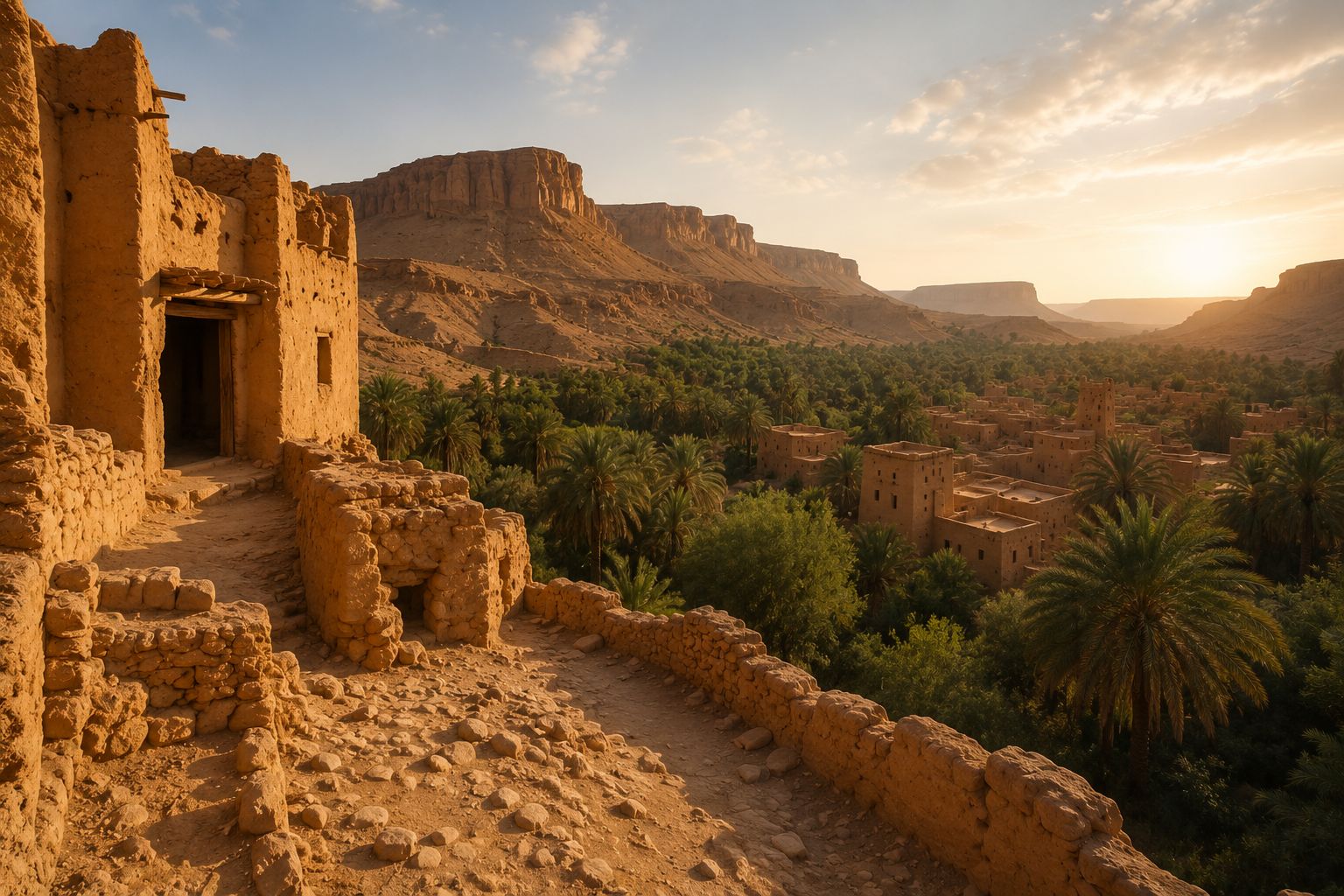
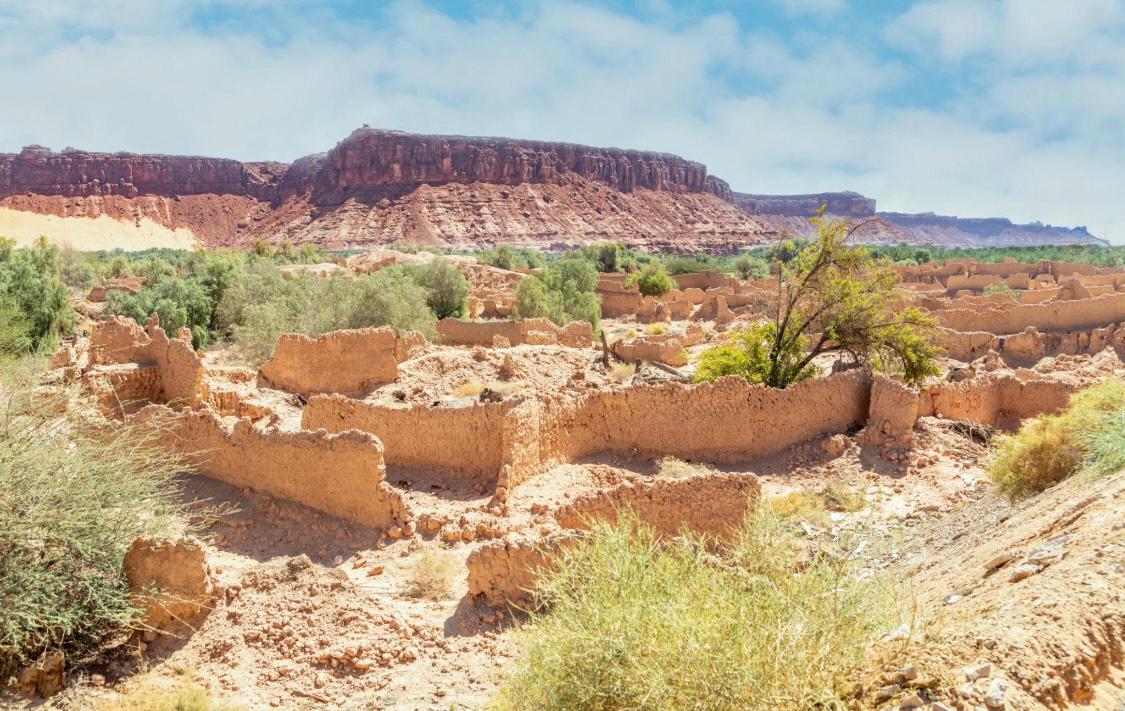
Ancient settlement in central Arabia

Geography & Landscape

The surrounding area is characterised by wide desert plains, rocky escarpments, open plateaus, valleys, and dramatic natural scenery typical of central Arabia.

These landscapes provide panoramic views across the Najd plateau and showcase the geological diversity of the region. The combination of rugged terrain, desert ecosystems, and elevated viewpoints creates opportunities for sightseeing, photography, hiking, and outdoor exploration.

The natural landscape remains one of the region's defining features and continues to attract visitors interested in geology, nature, and desert environments.

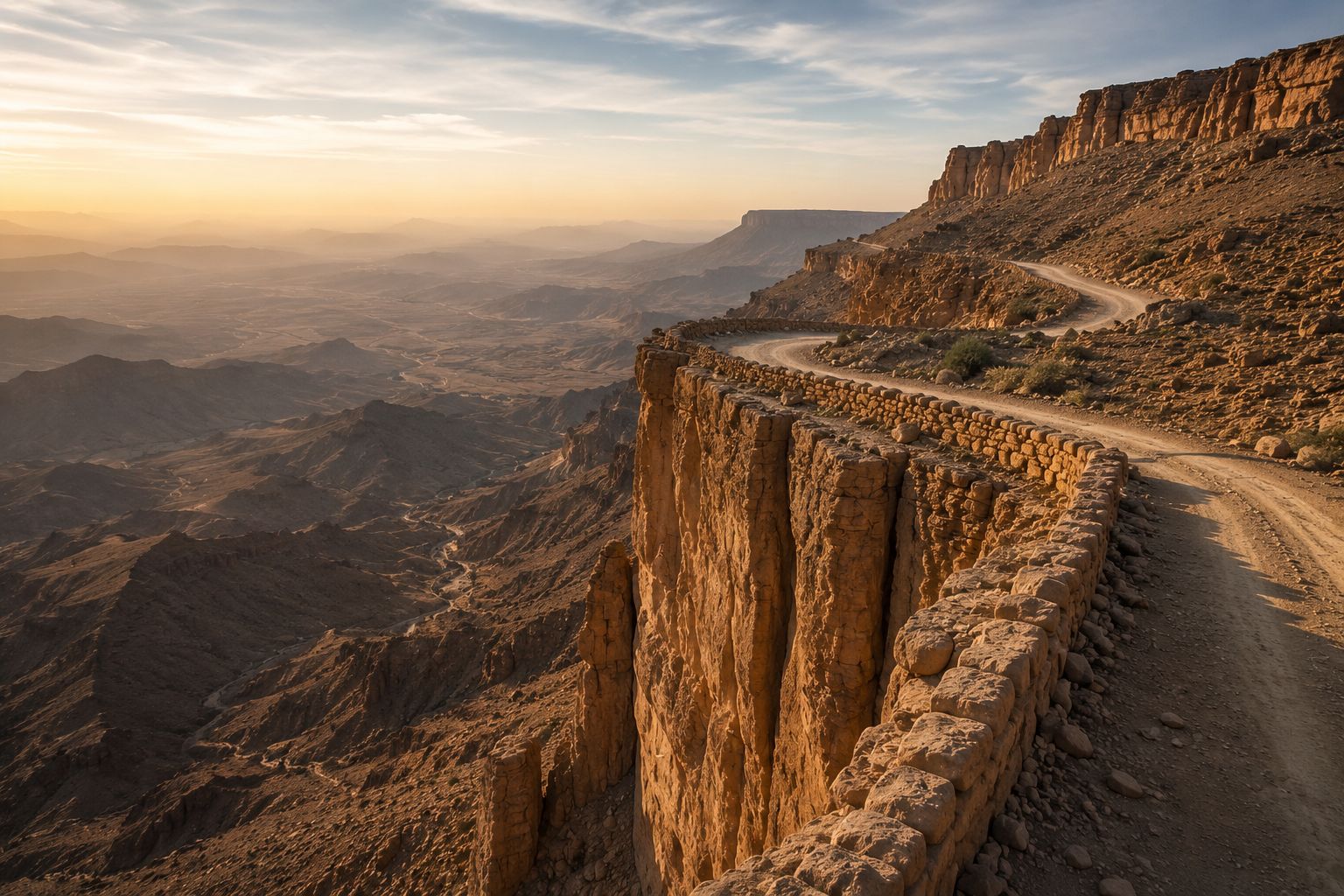
Tuwaiq Escarpment cliff road at sunset

Tuwaiq Mountains & Najd Region

One of the region's most recognisable natural landmarks is the Tuwaiq Escarpment, an extensive limestone ridge stretching across central Saudi Arabia.

Often regarded as one of the defining geographical features of the Najd plateau, the escarpment has shaped the surrounding landscape for thousands of years. Its towering cliffs, rock formations, and elevated viewpoints offer some of the most impressive scenery in central Arabia.

The wider Najd region has long been recognised for its cultural heritage, traditional architecture, hospitality, and historical importance. Together, the Tuwaiq Escarpment and the Najd plateau form an important part of central Arabia's identity.

Historic Trade & Pilgrimage Routes

Throughout history, central Arabia was crossed by merchants, travellers, and pilgrims using routes that connected settlements across the Arabian Peninsula.

These historic routes helped facilitate the movement of goods, ideas, traditions, and people between different regions. Although many ancient routes have changed over time, they remain an important part of the historical narrative of central Arabia and contribute to the cultural significance of the wider region.

Understanding these historic connections provides valuable insight into how communities developed and interacted throughout Arabian history.

Traditional Arabian architecture

Cultural Significance

The surrounding region reflects the traditions and heritage of the Najd, one of the most historically significant regions of the Arabian Peninsula.

Traditional hospitality, architecture, craftsmanship, storytelling, and community values remain an important part of local culture. Visitors interested in learning about central Arabia can explore the customs, traditions, and heritage that have shaped the region over many generations.

Preserving and understanding this cultural heritage helps future generations appreciate the history and identity of central Arabia.

Tourism Information

The wider region offers visitors opportunities to experience dramatic landscapes, geological formations, cultural attractions, heritage sites, and outdoor activities.

Travellers interested in photography, desert scenery, cultural exploration, history, and nature will find a variety of experiences throughout the surrounding area.

The cooler months are generally considered the most comfortable time for outdoor exploration, allowing visitors to enjoy scenic viewpoints, walking trails, and the natural environment.

Attractions & Surrounding Areas

The surrounding region offers access to a variety of natural, cultural, and historical attractions.

Visitors can explore scenic viewpoints overlooking the Tuwaiq Escarpment, enjoy expansive desert landscapes, discover geological formations, and experience the heritage of the wider Najd region. The area also provides convenient access to destinations throughout central Saudi Arabia, making it an ideal base for exploring the region's natural and cultural diversity.

Ancient ruins and Tuwaiq Escarpment

Visitor Guide

Visitors are encouraged to prepare for desert conditions, travel responsibly, respect local customs, and follow local regulations while exploring the region.

Carrying sufficient water, planning journeys carefully, and checking seasonal weather conditions will help ensure a safe and enjoyable visit.

Responsible tourism plays an important role in protecting both the natural environment and the cultural heritage of central Arabia.

Conclusion

VisitQiddiyaNow.com has been created to provide an independent source of historical, geographical, cultural, and tourism-related information about the wider Qiddiya area and surrounding landscapes.

By bringing together information about the region's heritage, natural environment, visitor experiences, and cultural significance, the website aims to encourage greater understanding and appreciation of this distinctive part of central Arabia.

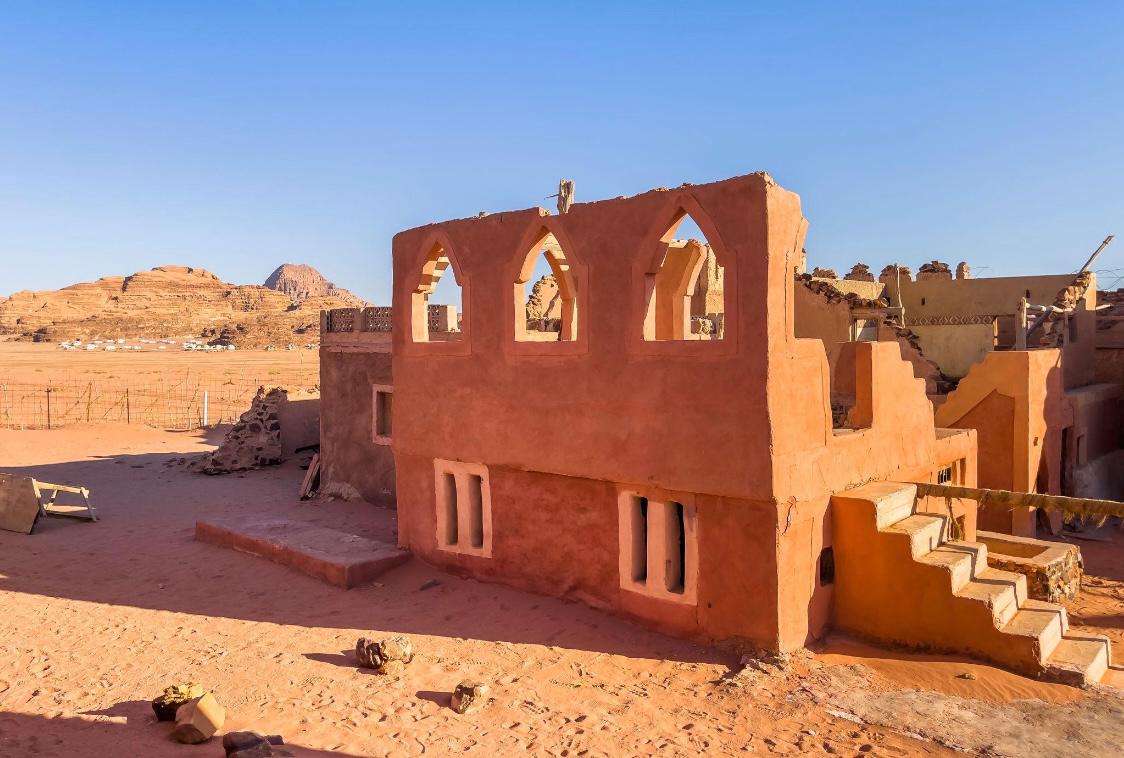
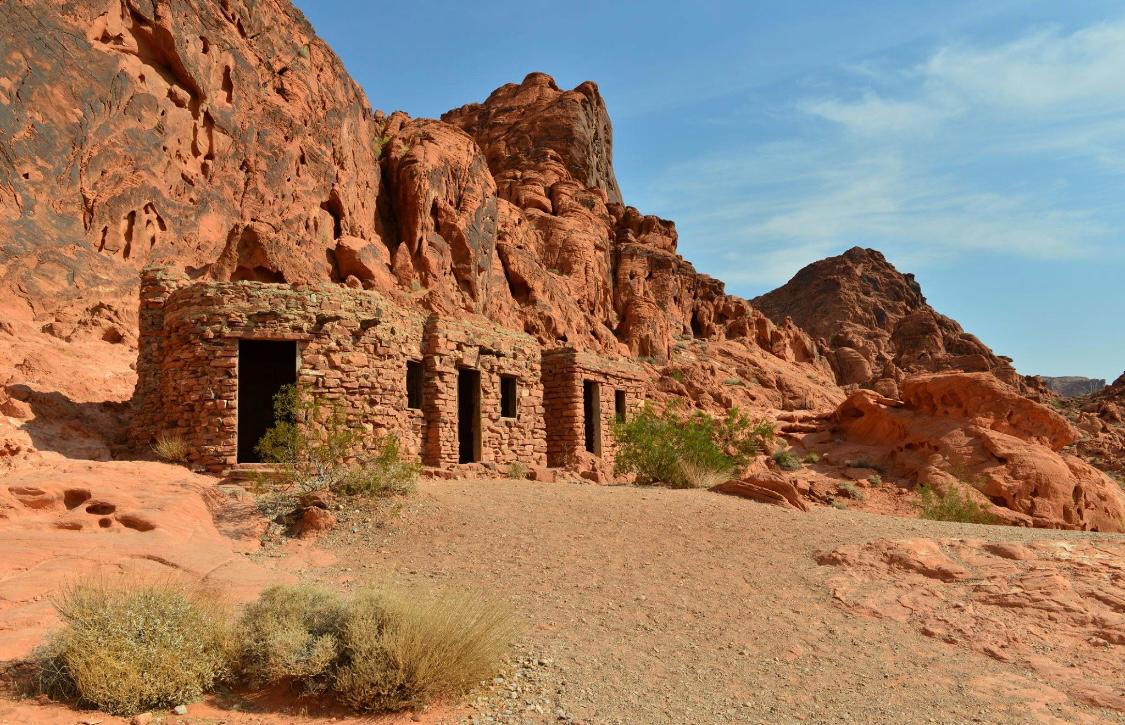
Stone ruins against red rock cliffs

Corrections & Takedowns

If you believe any material is inaccurate or misused, please fill in the contact form below.

UDRP-Conscious Positioning

VisitQiddiyaNow.com is presented solely as an independent informational website.

References to places, geography, history, tourism, culture, heritage, landmarks, infrastructure, and regional developments are descriptive, educational, editorial, and nominative only. Nothing contained on this website should be interpreted as implying sponsorship, endorsement, approval, affiliation, partnership, or any official relationship with any government, organisation, developer, company, or trademark owner.

Disclaimer & Copyright

VisitQiddiyaNow.com is a privately owned and independently operated informational website.

This website is not affiliated with, associated with, endorsed by, authorised by, sponsored by, approved by, owned by, operated by, managed by, licensed by, or connected in any way with:

Independent Informational Website
This website has been created for informational, educational, historical, geographical, cultural, tourism-discussion, editorial, research, and public-interest purposes.

Historical and Geographic References

References to the wider Qiddiya area, central Arabia, the Najd region, the Tuwaiq Escarpment, tourism destinations, historic routes, cultural heritage, and regional developments are provided solely for descriptive, historical, geographical, editorial, educational, and nominative purposes.

Domain Name Usage

The domain name VisitQiddiyaNow.com is used solely as the title of this independent informational website.

Its use identifies the subject matter discussed on this website. It does not indicate or imply ownership, sponsorship, endorsement, approval, authorisation, partnership, affiliation, agency, representation, or any commercial relationship with any government, company, organisation, developer, trademark owner, or other third party.

No Official Status

This website does not represent or claim to be an official tourism portal, government website, booking platform, ticketing service, travel agency, investment platform, payment provider, or official information service.

Editorial Independence

All content published on this website reflects independent editorial commentary, historical discussion, geographical information, travel-related information, cultural material, public-interest content, and educational research. Content may be updated, expanded, or revised as additional information becomes available.

Copyright Notice

Unless otherwise stated, original written content published on this website is protected by copyright.

Any third-party trademarks, service marks, company names, logos, or brand names mentioned remain the property of their respective owners and are referenced solely for identification, commentary, historical, descriptive, editorial, or informational purposes.

All rights reserved.

Independent Informational Website